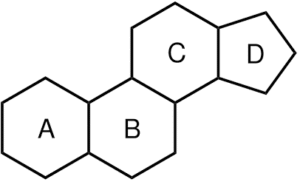
Anabolic-androgenic steroids (AAS) are synthetic variations of the primary male sex hormone, testosterone. The term “anabolic” refers to the promotion of tissue building (specifically muscle growth), while “androgenic” refers to the development and maintenance of masculine biological characteristics.
What Are Anabolic Steroids?
Anabolic-androgenic steroids are chemical compounds designed to mimic the biological effects of endogenous testosterone. In clinical medicine, synthesized testosterone derivatives are prescribed to treat specific conditions such as hypogonadism (low natural testosterone), delayed puberty, and muscle-wasting diseases resulting from chronic illness.
In non-medical contexts, these compounds are studied and utilized for performance enhancement and body composition alterations due to their profound impact on protein synthesis and nitrogen retention.

How Anabolic Steroids Work in the Body
At the cellular level, anabolic steroids act by binding to androgen receptors in skeletal muscle cells and other tissues. Once bound, the androgen receptor translocates to the cell nucleus, where it interacts with nuclear DNA to alter gene expression.
1. Enhanced Protein Synthesis
Steroids significantly accelerate the rate at which cells construct proteins, the fundamental structural building blocks of muscle tissue. This process allows muscle fibers to repair and grow faster following strenuous resistance training.
2. Improved Nitrogen Retention
Skeletal muscle requires a positive nitrogen balance to remain in an anabolic (building) state. AAS increase intracellular nitrogen levels, preventing the body from entering a catabolic (breakdown) state during intense training or caloric restriction.
3. Increased Red Blood Cell Production
Certain anabolic compounds stimulate the kidneys to release erythropoietin (EPO), thereby increasing red blood cell production. Higher hemoglobin levels improve oxygen transport throughout the bloodstream, enhancing muscular endurance and recovery.
Anabolic vs. Androgenic Properties
Every steroidal compound possesses both anabolic (tissue-building) and androgenic (masculinizing) characteristics. Researchers use an Anabolic-Androgenic Ratio to evaluate these properties relative to natural testosterone, which carries a baseline ratio of 100:100.
| Compound Class | Primary Function | Characteristics |
| High Anabolic / Low Androgenic | Targeted tissue building | Formulated to minimize androgenic side effects like hair loss or prostate enlargement while maintaining muscle protein synthesis. |
| Balanced (100:100) | Bio-identical testosterone | Matches native testosterone binding affinities, providing proportional muscle-building and masculinizing traits. |
| High Androgenic | Strength & neural drive | Strong affinity for androgen receptors in the central nervous system and peripheral tissues; carries a higher incidence of androgenic side effects. |
Common Uses and Applications
Medical Indications
Physicians prescribe exogenous testosterone and modified derivatives under strict medical supervision for specific clinical scenarios:
-
Hormone Replacement Therapy (HRT): Restoring physiological hormone levels in men suffering from clinical hypogonadism.
-
Cachexia Management: Mitigating severe muscle atrophy in patients dealing with terminal conditions, severe burns, or autoimmune diseases.
-
Severe Anemia: Stimulating erythropoiesis in patients with impaired bone marrow function.
Non-Medical Performance & Fitness
In athletic and bodybuilding disciplines, individuals research anabolic compounds to achieve rapid gains in hypertrophy, strength, and reduced recovery intervals. However, non-medical administration carries distinct physiological risks that require careful consideration. To understand how to protect your health while reaching athletic goals, explore our comprehensive breakdown on [Anabolic Steroid Side Effects and Health Risks].
Potential Side Effects and Health Risks
The introduction of exogenous hormones alters the endocrine system’s natural feedback loops. Understanding these risks is critical for harm reduction and safety awareness.
Endocrine Suppression
When exogenous synthetic hormones are introduced, the Hypothalamic-Pituitary-Gonadal (HPG) axis detects elevated androgen levels and signals the testes to halt natural testosterone production.
Cardiovascular Impact
Anabolic steroids can adversely alter serum lipid profiles by lowering High-Density Lipoprotein (HDL, “good cholesterol”) and increasing Low-Density Lipoprotein (LDL, “bad cholesterol”). This imbalance, combined with potential elevations in blood pressure, increases long-term strain on the cardiovascular system.
Hepatic Strain
Certain oral compounds undergo C17-alpha alkylation, a chemical modification that enables the molecule to survive liver metabolism. This structure increases hepatic stress and requires liver health monitoring during exposure.
Protecting Natural Hormone Recovery: Post-Cycle Therapy (PCT)
Because exogenous androgen use suppresses endogenous hormone production, stopping use without a structured recovery plan can lead to prolonged hormone deficiency, muscle loss, and mood disturbances.
To safely restore the body’s natural endocrine function, fitness enthusiasts utilize structured recovery protocols. Learn the full biological process of resetting natural testosterone production in our complete guide to [Post-Cycle Therapy (PCT) Protocols].
Natural & Safe Muscle-Building Alternatives
For individuals looking to maximize physical performance without the risks associated with synthetic hormones, proven natural pathways exist:
-
Optimized Resistance Training: Applying progressive overload to stimulate natural growth hormone and testosterone release.
-
Targeted Dietary Strategies: Maintaining a high-protein diet paired with adequate micronutrients (Zinc, Vitamin D3, Magnesium) to support peak natural hormone levels.
-
Legal Muscle Building Supplements: Utilizing safe, non-suppressive compounds that boost intracellular ATP and protein synthesis naturally. Discover top-rated natural options in our overview of [Legal Alternatives to Anabolic Steroids].
Frequently Asked Questions (FAQ)
Are anabolic steroids the same as corticosteroids?
No. Corticosteroids (such as prednisone) are anti-inflammatory medications used to treat immune conditions and allergies. They do not build muscle and actually promote catabolism (protein breakdown) in high doses.
Can natural hormone levels recover after steroid use?
Yes, but recovery times vary based on the duration, dosage, and compounds used. Implementing a targeted protocol after exposure accelerates HPG axis recovery.
What is the most important factor in muscle growth?
Progressive resistance training, adequate caloric intake, and consistent recovery form the foundation of muscle hypertrophy, regardless of whether natural or enhanced pathways are pursued.
Looking for where to buy Steroids Online in the USA?
Grizzly Steroids is your answer!